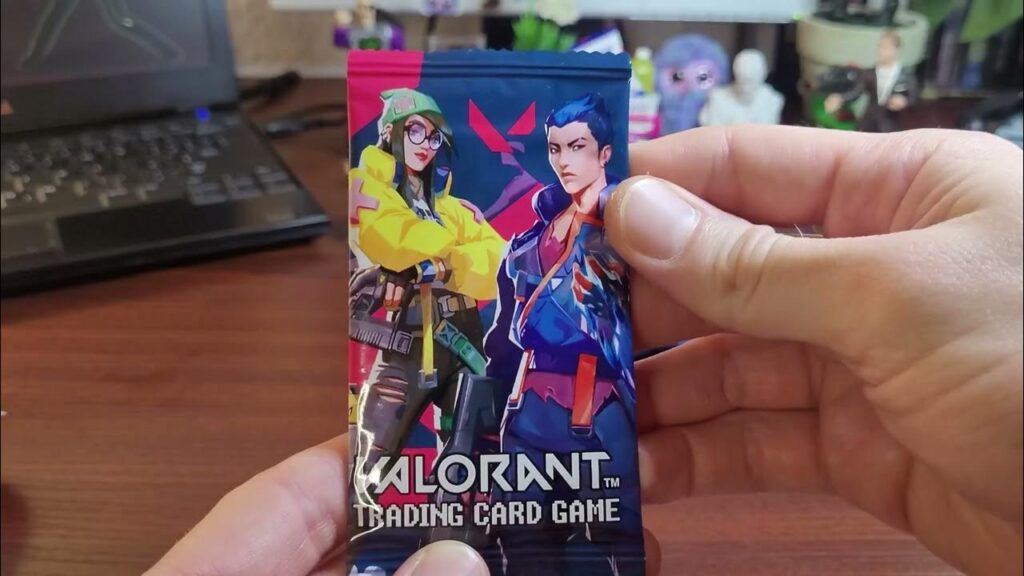
Unveiling the World of Playing Cards: A Comprehensive Guide
Playing cards are ubiquitous, found in nearly every corner of the globe. These seemingly simple rectangles of paperboard hold a rich history, diverse cultural significance, and offer endless possibilities for entertainment and strategy. Whether you’re a seasoned poker player, a casual solitaire enthusiast, or simply curious about the origins of this timeless pastime, this guide will delve into the fascinating world of playing cards.
A Brief History of Playing Cards
The precise origins of playing cards remain debated, but the consensus points to China during the Tang Dynasty (9th century). These early cards, likely used for both gaming and divination, differed significantly from the decks we know today. They were often made of paper, bone, or wood, and featured various symbols and characters.
From China, playing cards gradually spread westward, making their way to Persia and then to Europe by the late 14th century. The European decks evolved, incorporating suits and court cards that reflected the social hierarchies of the time. Early European suits included swords, batons, cups, and coins, which are still found in some regional decks like those used in Spain and Italy.
The French suit system, consisting of hearts, diamonds, clubs, and spades, eventually became the most prevalent. This system, developed in France around 1480, was easier to manufacture and reproduce, contributing to its widespread adoption. The standardization of playing cards facilitated their mass production and distribution, making them accessible to a wider audience.
The Anatomy of a Deck of Playing Cards
A standard deck of playing cards typically contains 52 cards divided into four suits: hearts (♥), diamonds (♦), clubs (♣), and spades (♠). Each suit consists of thirteen cards: Ace, 2, 3, 4, 5, 6, 7, 8, 9, 10, Jack, Queen, and King. The Jack, Queen, and King are known as face cards or court cards.
Jokers are often included in decks, although their use varies depending on the game being played. Some games, like Euchre, require Jokers, while others, like Bridge, do not. The Joker usually serves as a wild card or a special card with unique abilities.
The back of playing cards usually features a decorative design. These designs can range from simple patterns to intricate artwork. Back designs are important for preventing players from identifying cards based on markings or imperfections.
The Enduring Appeal of Playing Cards
The enduring appeal of playing cards lies in their versatility and accessibility. With a single deck, you can play countless games, from simple children’s games like Go Fish to complex strategic games like Bridge and Poker. Playing cards provide a source of entertainment, mental stimulation, and social interaction.
Playing cards are also a portable and inexpensive form of entertainment. A deck of cards can be easily carried in a pocket or bag, making them ideal for travel or impromptu gatherings. Their affordability makes them accessible to people of all ages and socioeconomic backgrounds.
Popular Card Games: A Glimpse into the Variety
Poker: The Game of Skill and Bluff
Poker is arguably the most popular card game in the world. It involves betting based on the strength of a player’s hand, with the goal of winning the pot. Numerous variations of Poker exist, including Texas Hold’em, Omaha, and Seven-Card Stud. Poker requires a combination of skill, strategy, psychology, and luck.
Bridge: A Partnership Game of Strategy
Bridge is a trick-taking game played by four players in two partnerships. It involves bidding, declaring, and playing tricks, requiring a high level of communication and strategic thinking. Bridge is known for its complexity and intellectual challenge.
Solitaire: A Game of Patience and Logic
Solitaire is a single-player card game that involves arranging cards in a specific order according to certain rules. It is a popular way to pass the time and exercise the mind. There are many different variations of Solitaire, each with its own unique challenges.
Blackjack: Beating the Dealer
Blackjack, also known as 21, is a popular casino game where players compete against the dealer to get a hand value as close to 21 as possible without exceeding it. It involves making decisions based on the player’s hand and the dealer’s upcard. [See also: Blackjack Strategy Guide]
Euchre: A Trick-Taking Game with a Trump Suit
Euchre is a trick-taking game typically played with four players in two partnerships. It involves bidding, calling trump, and playing tricks, with the goal of winning the majority of the tricks. Euchre is popular in the Midwestern United States and Canada.
The Psychology of Playing Cards
Playing cards have a significant psychological impact. They can evoke feelings of excitement, anticipation, frustration, and satisfaction. The act of shuffling and dealing cards can be a ritualistic experience, creating a sense of suspense and anticipation.
Card games can also reveal aspects of a person’s personality. Some players are aggressive and risk-taking, while others are cautious and conservative. Observing a player’s behavior at the card table can provide insights into their character and decision-making processes.
Furthermore, card games can enhance cognitive skills such as memory, attention, and problem-solving. They require players to remember cards that have been played, anticipate opponents’ moves, and make strategic decisions under pressure. [See also: Cognitive Benefits of Card Games]
The Cultural Significance of Playing Cards
Playing cards have played a significant role in various cultures throughout history. They have been used for entertainment, education, divination, and even propaganda. In some cultures, card games are an integral part of social gatherings and celebrations.
Playing cards have also been featured in art, literature, and film. They have served as symbols of luck, fate, and chance. The imagery associated with playing cards, such as the King of Hearts or the Queen of Spades, has become iconic and recognizable worldwide.
Collecting Playing Cards: A Growing Hobby
Collecting playing cards has become a popular hobby for many enthusiasts. Collectors seek out rare, vintage, or unique decks of cards. Some collectors specialize in specific themes, such as historical decks, advertising decks, or artist-designed decks.
The value of playing cards can vary widely depending on their age, rarity, condition, and historical significance. Some rare decks can fetch thousands of dollars at auction. Collecting playing cards is a rewarding hobby that combines history, art, and the thrill of the hunt.
The Future of Playing Cards
Despite the rise of digital entertainment, playing cards continue to thrive. They offer a tangible and social experience that cannot be replicated by electronic devices. While digital versions of card games are popular, the physical act of holding and shuffling cards remains a cherished tradition.
Innovations in playing cards continue to emerge. New designs, materials, and game variations are constantly being developed. The future of playing cards is bright, with endless possibilities for creativity and innovation. Playing cards will likely remain a beloved form of entertainment for generations to come. The simple playing cards are more than just pieces of paper; they are a connection to history and a tool for social engagement. Finding the right playing cards can enhance the experience. Whether you are a casual user or a serious collector, playing cards provide endless opportunities. Even the simplest playing cards can provide hours of fun. The art of playing cards is timeless. Don’t underestimate the power of playing cards. Choosing the right playing cards is important. Learning about different playing cards can be fascinating. Enjoy your playing cards!
Conclusion
Playing cards are more than just pieces of paper; they are a cultural artifact, a source of entertainment, and a tool for social interaction. From their humble beginnings in ancient China to their current status as a global phenomenon, playing cards have captivated people of all ages and backgrounds. Whether you’re a seasoned card player or a curious newcomer, the world of playing cards offers endless possibilities for discovery and enjoyment.
