Unlocking the World of Playing Cards: History, Games, and Collectibles
Playing cards, those ubiquitous rectangles of paper or plastic, are far more than just tools for a game of poker or solitaire. They represent a rich tapestry of history, art, and culture, spanning centuries and continents. From their obscure origins to their modern-day ubiquity, playing cards have captivated minds, fueled fortunes, and inspired countless hours of entertainment. This exploration delves into the fascinating world of playing cards, uncovering their evolution, exploring popular games, and examining the allure of collecting them.
The History of Playing Cards: A Journey Through Time
The precise origins of playing cards remain shrouded in some mystery, but the consensus among historians points to China during the Tang Dynasty (9th century). These early cards were likely paper-based and may have been used for both games and divination. The concept gradually spread westward, evolving and adapting as it traveled along trade routes.
Early European Adaptations
Playing cards first appeared in Europe in the late 14th century, likely brought by traders from the Mamluk Sultanate of Egypt. These early European decks differed significantly from modern ones. They often featured suits like swords, batons, cups, and coins, reflecting the social and cultural norms of the time. The designs were often elaborate and hand-painted, making them luxury items accessible only to the wealthy.
The Standardization of Suits and Ranks
Over time, the suits and ranks of playing cards became more standardized. The French suits – hearts, diamonds, clubs, and spades – eventually gained widespread popularity due to their ease of printing and recognition. The familiar court cards – king, queen, and jack – also evolved, often depicting historical figures or mythological characters. The introduction of printing techniques, particularly woodblock printing and later lithography, made playing cards more affordable and accessible to the masses.
Popular Games Played with Playing Cards
The versatility of playing cards lies in their ability to be used in a vast array of games, catering to different skill levels and preferences. From simple family games to complex strategy-based competitions, playing cards offer something for everyone.
Classic Card Games
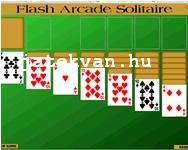
Many classic card games have stood the test of time, remaining popular across generations. Poker, with its various forms and strategic nuances, is a staple of casinos and home games alike. Bridge, a sophisticated trick-taking game, requires partnerships, communication, and skillful bidding. Solitaire, a single-player game, provides a relaxing and mentally stimulating pastime. Other popular classics include rummy, blackjack, and hearts.
Modern Card Game Innovations
While classic games remain beloved, the world of playing cards continues to evolve with the introduction of new and innovative games. Many modern card games incorporate unique mechanics, themes, and artwork, appealing to a younger generation of players. Examples include collectible card games (CCGs) like Magic: The Gathering and Pokémon, which combine strategic deck-building with trading and collecting elements. These games often have dedicated communities and competitive scenes. [See also: Collectible Card Games: A Beginner’s Guide]
The Allure of Collecting Playing Cards
Beyond their use in games, playing cards have become highly sought-after collectibles. The value of a playing card deck can vary greatly depending on its age, rarity, condition, and historical significance. Collectors are drawn to the artistry, history, and cultural significance embodied in these small pieces of paper or plastic.
Factors Affecting Collectible Card Value
Several factors influence the value of collectible playing cards. Age and rarity are primary determinants; older decks, particularly those from the 18th and 19th centuries, are often highly prized. Decks produced in limited quantities or with unique designs also command higher prices. Condition is crucial; well-preserved decks with minimal wear and tear are more valuable than those that are damaged or incomplete. Historical significance, such as decks associated with notable events or individuals, can also significantly increase their value.
Types of Playing Card Collections
Playing card collections can take many forms, reflecting the diverse interests of collectors. Some collectors focus on specific historical periods, such as Victorian-era decks or those from the early 20th century. Others specialize in decks with particular themes, such as those featuring artwork from renowned artists or those depicting historical events. Some collectors focus on error cards or misprints, which can be surprisingly valuable due to their rarity. [See also: The Most Valuable Playing Cards in the World]
Where to Find Collectible Playing Cards
Collectible playing cards can be found in various places, including antique shops, flea markets, online auction sites, and specialized playing card collecting communities. Building a valuable collection requires research, patience, and a keen eye for detail. Joining online forums and attending playing card conventions can provide valuable opportunities to learn from experienced collectors and discover rare and unique decks. Remember to carefully inspect any playing cards before purchasing them, paying close attention to their condition and authenticity.
The Enduring Appeal of Playing Cards
From their humble beginnings to their current status as a global phenomenon, playing cards have consistently captivated and entertained people of all ages and backgrounds. They provide a versatile and engaging form of entertainment, fostering social interaction, strategic thinking, and creative expression. Whether you’re a casual player, a competitive gamer, or a dedicated collector, the world of playing cards offers a wealth of opportunities for exploration and enjoyment. The simple deck of playing cards continues to be a source of endless fascination and fun. The design of playing cards has evolved over time, reflecting changing artistic trends and cultural influences. The tactile feel of shuffling a deck of playing cards is a sensory experience that many find calming and enjoyable. Many people have fond memories associated with playing cards, such as learning to play poker with family or friends. The psychology of playing cards is a fascinating area of study, exploring how people make decisions and strategies in card games. The use of playing cards in magic tricks and illusions adds another layer of intrigue to their appeal. The global playing card industry is a multi-billion dollar market, encompassing manufacturing, distribution, and retail. The future of playing cards may involve incorporating new technologies, such as augmented reality and virtual reality, to enhance the playing experience. Even in the digital age, physical playing cards retain their charm and relevance, offering a tangible and engaging form of entertainment. So, the next time you pick up a deck of playing cards, take a moment to appreciate the rich history, diverse games, and enduring appeal of these iconic objects. They represent a timeless form of entertainment that continues to bring people together.
