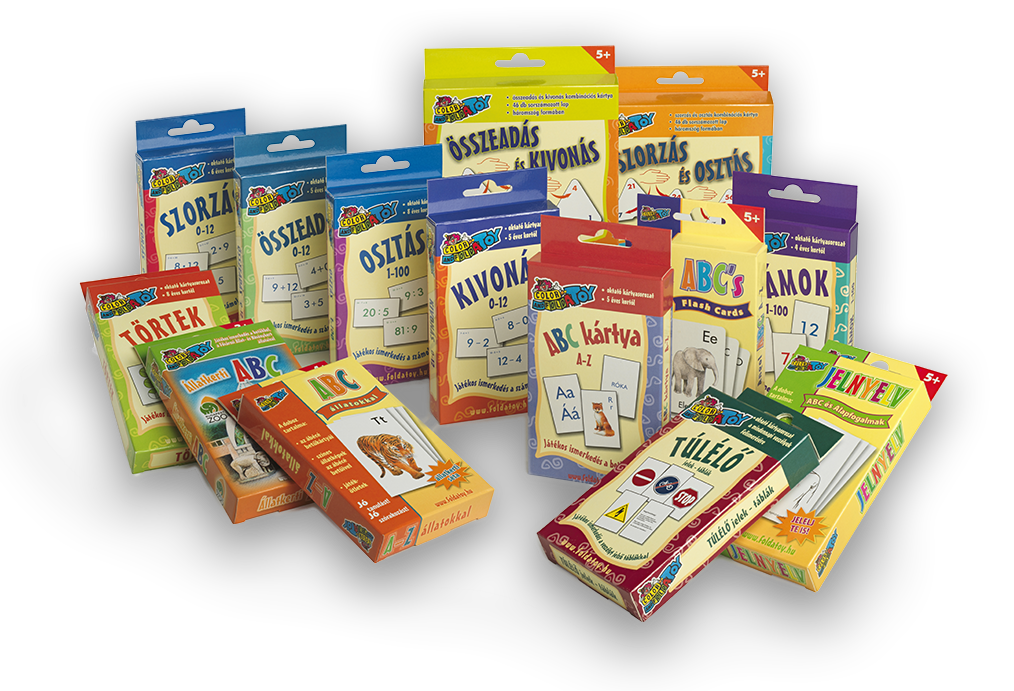
Unlocking the World of Playing Cards: A Comprehensive Guide
Playing cards are more than just rectangular pieces of paper; they are gateways to a world of strategy, entertainment, and social interaction. From classic games like poker and bridge to solitaire and countless variations, playing cards have captivated people of all ages and backgrounds for centuries. This comprehensive guide will delve into the fascinating history, diverse uses, and enduring appeal of these ubiquitous companions. We’ll explore the evolution of playing cards, examine the different types of decks, and uncover the secrets behind some of the most popular card games. Whether you’re a seasoned card shark or a curious beginner, this guide will provide valuable insights into the world of playing cards.
A Brief History of Playing Cards
The origins of playing cards are shrouded in mystery, but most historians believe they originated in China during the Tang Dynasty (9th century). Early Chinese playing cards were long and narrow, resembling dominoes, and were likely used for both games and divination. From China, playing cards spread westward along trade routes, eventually reaching Europe in the 14th century.
European playing cards initially varied widely in design and suit symbols. However, by the late 15th century, the French suit system – hearts, diamonds, clubs, and spades – became standardized and widely adopted. This French pattern, with its easily recognizable symbols, is the basis for most modern playing cards used today.
The Anatomy of a Deck of Playing Cards
A standard deck of playing cards consists of 52 cards, divided into four suits: hearts, diamonds, clubs, and spades. Each suit contains 13 cards: Ace, 2, 3, 4, 5, 6, 7, 8, 9, 10, Jack, Queen, and King. The Ace is typically considered either the highest or lowest card in a suit, depending on the game being played.
In addition to the numbered cards and face cards (Jack, Queen, King), many decks also include jokers. Jokers are often used as wild cards or special cards in certain games. The back of each card is usually decorated with a symmetrical design, making it impossible to identify the card without seeing its face.
Types of Playing Card Decks
While the standard 52-card deck is the most common, there are numerous variations and specialized decks designed for specific games or purposes:
- Standard Deck: The classic 52-card deck used for a wide variety of games.
- Pinochle Deck: A 48-card deck consisting of two copies of each card from 9 to Ace in all four suits. Used for pinochle and related games.
- Euchre Deck: A 32-card deck consisting of the 9, 10, Jack, Queen, King, and Ace in all four suits. Used for euchre.
- Tarot Deck: A 78-card deck with 22 trump cards (the Major Arcana) and four suits of 14 cards each (the Minor Arcana). Used for tarot card reading and certain card games.
- Custom Decks: Decks with unique designs, artwork, or themes, often used for collectors or as promotional items.
Popular Card Games: A Diverse Range of Entertainment
The versatility of playing cards is reflected in the vast array of games that can be played with them. Here are just a few of the most popular:
- Poker: A family of card games where players wager on the best hand according to specific rules. [See also: Beginner’s Guide to Poker Strategies]
- Bridge: A trick-taking card game played by four players in two competing partnerships. Known for its complex bidding and strategic gameplay.
- Blackjack: A comparing card game between a player and dealer, where the player aims to get a hand value as close to 21 as possible without exceeding it.
- Solitaire: A single-player card game where the goal is to arrange the cards in a specific order, often by suit and rank.
- Hearts: A trick-taking card game where the objective is to avoid taking hearts or the Queen of Spades.
- Rummy: A family of matching-card games where players aim to form sets and runs of cards.
The Enduring Appeal of Playing Cards
Despite the rise of digital entertainment, playing cards continue to hold a special place in our culture. Their enduring appeal can be attributed to several factors:
- Accessibility: Playing cards are relatively inexpensive and readily available, making them accessible to people of all socioeconomic backgrounds.
- Versatility: A single deck of playing cards can be used to play a wide variety of games, providing endless hours of entertainment.
- Social Interaction: Many card games are designed to be played with multiple players, fostering social interaction and camaraderie.
- Mental Stimulation: Card games can challenge your strategic thinking, problem-solving skills, and memory.
- Tradition: Playing cards have been a part of human culture for centuries, connecting us to our past and providing a sense of tradition.
Collecting Playing Cards: A Hobby for Enthusiasts
For some, playing cards are more than just a source of entertainment; they are a collectible item with historical and artistic value. Collecting playing cards can be a rewarding hobby, offering the opportunity to learn about different cultures, artists, and historical periods. Collectors often focus on specific types of decks, such as vintage decks, custom decks, or decks featuring particular themes.
The Psychology of Playing Cards
Playing cards are deeply intertwined with psychology, impacting how we think, strategize, and interact with others. Card games often involve elements of risk assessment, probability calculation, and deception. Understanding the psychology of your opponents, such as reading their body language or detecting patterns in their betting behavior, can be crucial for success. Furthermore, the act of playing cards can provide a sense of accomplishment, reduce stress, and improve cognitive function.
The Future of Playing Cards
While digital gaming continues to evolve, the future of playing cards remains bright. Even with the prevalence of online poker and digital card games, the tactile experience of shuffling a deck of cards and the social interaction of playing face-to-face are irreplaceable. Innovations in card design, such as augmented reality playing cards, may further enhance the playing card experience and attract new generations of players. Ultimately, the timeless appeal and versatility of playing cards ensure their continued relevance in the world of entertainment.
Choosing the Right Playing Cards
With so many options available, choosing the right playing cards can seem daunting. Consider these factors when making your selection:
- Material: Playing cards are typically made from paper or plastic. Plastic cards are more durable and resistant to wear and tear, making them a good choice for frequent use.
- Finish: The finish of the cards affects their handling and shuffleability. Air-cushion finish is a popular choice for its smooth feel and ease of shuffling.
- Design: Choose a design that appeals to your personal taste. Many playing cards feature unique artwork, themes, or fonts.
- Size: Standard playing cards are typically bridge-sized (2.25 x 3.5 inches) or poker-sized (2.5 x 3.5 inches). Choose the size that you find most comfortable to handle.
- Brand: Some brands, such as Bicycle and Bee, are known for their quality and durability.
Conclusion: Playing Cards – A Timeless Source of Entertainment
From their humble beginnings in ancient China to their widespread popularity today, playing cards have proven to be a timeless source of entertainment and social interaction. Whether you’re a casual player or a dedicated enthusiast, the world of playing cards offers something for everyone. So, grab a deck, gather your friends, and unlock the endless possibilities of this classic pastime.
