Understanding Szerencsejáték: A Comprehensive Guide to Gambling in Hungary
Szerencsejáték, the Hungarian word for gambling, encompasses a wide range of activities, from traditional lottery games to modern online casinos. Understanding the legal framework, the types of games available, and the social impact of szerencsejáték is crucial for both participants and policymakers. This article provides a comprehensive overview of szerencsejáték in Hungary, exploring its history, current regulations, popular games, and responsible gambling measures.
The History of Szerencsejáték in Hungary
Gambling has a long history in Hungary, dating back centuries. Early forms of szerencsejáték included dice games and card games played in taverns and social gatherings. The first official lottery was established in the 18th century, providing a source of revenue for the state. Over time, szerencsejáték evolved, with the introduction of horse racing, sports betting, and eventually, casino games.
The communist era saw strict control over szerencsejáték, with the state holding a monopoly on most forms of gambling. Following the transition to a market economy in the late 20th century, the gambling industry was gradually liberalized, leading to the emergence of private operators and a more diverse range of szerencsejáték options.
The Legal Framework of Szerencsejáték
The regulation of szerencsejáték in Hungary is primarily governed by the Gambling Act (2005). This act establishes the legal framework for licensing, supervision, and taxation of various forms of gambling. The National Tax and Customs Administration (NAV) is the main regulatory body responsible for overseeing the szerencsejáték industry.
Key aspects of the legal framework include:
- Licensing requirements for operators: Companies wishing to offer szerencsejáték services in Hungary must obtain a license from the NAV. The licensing process involves a thorough assessment of the applicant’s financial stability, integrity, and technical capabilities.
- Types of permitted games: The Gambling Act specifies the types of szerencsejáték that are permitted, including lotteries, sports betting, casino games, and online gambling.
- Taxation: Szerencsejáték operators are subject to various taxes, including a gambling tax and corporate income tax. The tax revenue generated from szerencsejáték is used to fund various public services.
- Advertising restrictions: The advertising of szerencsejáték is subject to certain restrictions, aimed at protecting vulnerable individuals and preventing problem gambling.
Types of Szerencsejáték Available in Hungary
Hungary offers a diverse range of szerencsejáték options, catering to different preferences and risk appetites. Some of the most popular forms of szerencsejáték include:
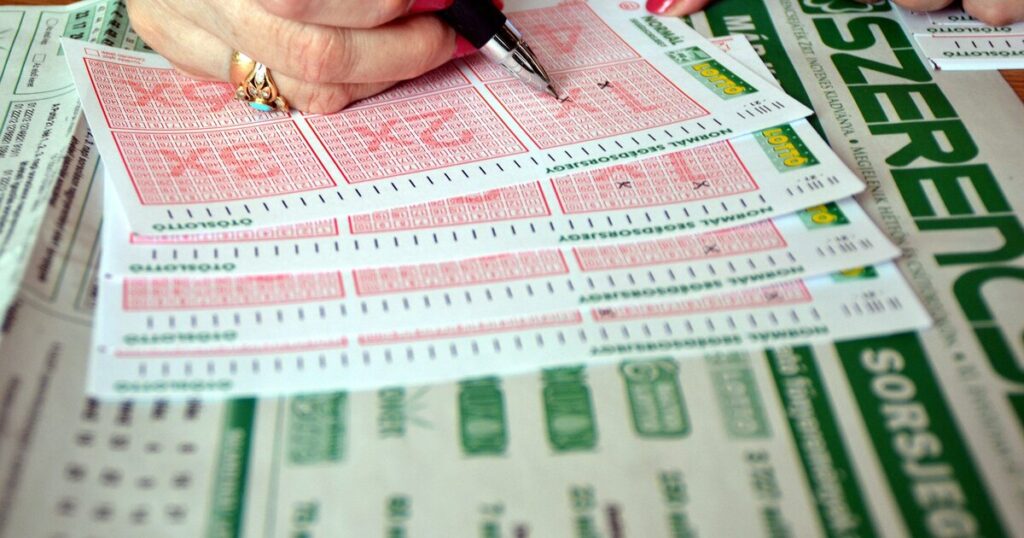
- Lotteries: The national lottery is a traditional form of szerencsejáték in Hungary, offering various games with different prize structures.
- Sports betting: Betting on sports events, both domestic and international, is a popular pastime. Online sports betting platforms have gained significant traction in recent years.
- Casino games: Land-based casinos offer a range of classic casino games, such as roulette, blackjack, and poker.
- Online gambling: Online casinos and poker rooms have become increasingly popular, offering a convenient way to participate in szerencsejáték from the comfort of one’s home.
- Slot machines: Both in casinos and dedicated gaming halls, slot machines are a common form of szerencsejáték.
Online Szerencsejáték in Hungary
The online szerencsejáték market in Hungary has experienced significant growth in recent years. The legal framework for online gambling is generally the same as for land-based gambling, requiring operators to obtain a license from the NAV. However, the regulation of online gambling is more complex, due to the cross-border nature of the internet.
The Hungarian government has taken steps to regulate online szerencsejáték, including blocking access to unlicensed websites and imposing stricter advertising restrictions. Despite these measures, the online szerencsejáték market continues to thrive, offering a wide range of games and betting opportunities.
Responsible Gambling Measures
Recognizing the potential risks associated with szerencsejáték, the Hungarian government and the gambling industry have implemented various responsible gambling measures. These measures aim to prevent problem gambling and provide support for individuals who may be struggling with gambling addiction.
Key responsible gambling initiatives include:
- Age verification: Szerencsejáték operators are required to verify the age of their customers to prevent underage gambling.
- Self-exclusion programs: Individuals who are concerned about their gambling habits can voluntarily exclude themselves from szerencsejáték venues and online platforms.
- Responsible gambling advertising: Advertising for szerencsejáték must include responsible gambling messages and promote awareness of the risks associated with gambling.
- Training for staff: Szerencsejáték operators are required to provide training to their staff on how to identify and assist individuals who may be experiencing problem gambling.
- Support services: Various support services are available for individuals who are struggling with gambling addiction, including counseling, therapy, and support groups.
The Social Impact of Szerencsejáték
Szerencsejáték has both positive and negative social impacts. On the one hand, it can generate revenue for the state and provide entertainment for participants. On the other hand, it can lead to problem gambling, financial hardship, and social problems.
The economic benefits of szerencsejáték include tax revenue, job creation, and tourism. The tax revenue generated from szerencsejáték can be used to fund various public services, such as education, healthcare, and infrastructure. The szerencsejáték industry also provides employment opportunities in casinos, betting shops, and online gambling companies.
However, the social costs of szerencsejáték can be significant. Problem gambling can lead to financial problems, relationship difficulties, and mental health issues. It can also contribute to crime and social exclusion. [See also: Gambling Addiction Support Resources]. Therefore, it is essential to implement effective responsible gambling measures to minimize the negative social impacts of szerencsejáték.
The Future of Szerencsejáték in Hungary
The szerencsejáték industry in Hungary is likely to continue to evolve in the coming years. Technological advancements, changing consumer preferences, and regulatory developments will shape the future of szerencsejáték. Online gambling is expected to continue to grow, driven by the increasing popularity of mobile devices and the convenience of online platforms.
The Hungarian government will need to adapt its regulatory framework to keep pace with these changes. This will involve striking a balance between protecting consumers, generating revenue, and fostering a competitive szerencsejáték industry. Increased focus on responsible gambling and prevention of gambling-related harm is also crucial.
In conclusion, szerencsejáték is a complex and multifaceted issue with significant economic, social, and legal implications. Understanding the various aspects of szerencsejáték is essential for policymakers, operators, and participants alike. By implementing effective regulations and promoting responsible gambling practices, Hungary can maximize the benefits of szerencsejáték while minimizing its potential harms. The future of szerencsejáték in Hungary depends on the ability to adapt to changing circumstances and prioritize the well-being of its citizens.
