French Playing Cards: How Many Cards in a Deck?
The ubiquitous deck of playing cards, a staple of game nights and solitaire sessions worldwide, holds a fascinating history and a standardized structure. When someone asks, “*Francia kartya hany lapos*?” (How many cards are in a French deck?), the answer is almost universally 52. But there’s more to the story than just a simple number. This article delves into the composition of a French-suited playing card deck, its history, variations, and its enduring appeal.
The Standard 52-Card Deck: A Closer Look
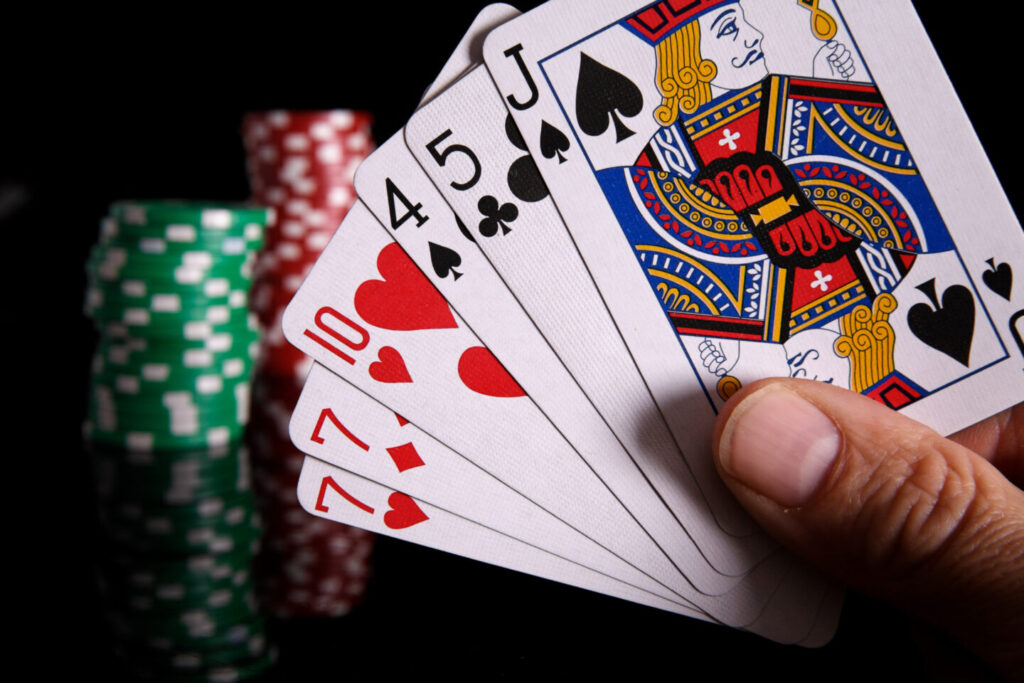
The standard French-suited playing card deck consists of 52 cards divided into four suits: hearts (♥), diamonds (♦), clubs (♣), and spades (♠). Each suit contains 13 cards: Ace, 2, 3, 4, 5, 6, 7, 8, 9, 10, Jack, Queen, and King. The Jack, Queen, and King are collectively known as face cards or court cards.
This configuration of playing cards is the most common globally, used for countless games ranging from poker and bridge to solitaire and canasta. Understanding the components of the deck is crucial for mastering these games and appreciating the rich history behind them.
The Significance of the Suits
Each suit carries its own symbolic weight, though the precise origins of these symbols are debated. Hearts are often associated with love and emotion, diamonds with wealth and prosperity, clubs with growth and intellect, and spades with misfortune or hardship. However, these interpretations can vary across different cultures and card games.
The Role of the Face Cards
The face cards—Jack, Queen, and King—add a layer of complexity to many card games. They often hold higher values than the numbered cards and play crucial roles in strategic gameplay. The Jack is sometimes referred to as a Knave, particularly in older texts. The Queen is the only female figure in the court cards. The King is the highest-ranking card in each suit (excluding the Ace, which can be either high or low depending on the game).
A Brief History of Playing Cards
The history of playing cards is complex and spans centuries. While the exact origins are debated, most historians trace them back to China around the 9th century. From there, playing cards spread westward, arriving in Europe around the 14th century. Early European cards were often hand-painted and quite expensive, making them a luxury item.
Different regional variations of playing cards emerged, each with its own suits and designs. The French-suited deck, with its familiar hearts, diamonds, clubs, and spades, gradually gained popularity and eventually became the standard in many parts of the world. The standardization of the 52-card deck facilitated the creation and widespread adoption of numerous card games.
Variations and Regional Differences
While the 52-card French deck is the most prevalent, variations exist. Some games, like Euchre, use a smaller deck with fewer cards. Other decks might include Jokers, which are wild cards that can be used to represent any other card in the deck. [See also: The History of Euchre Card Game]
In some European countries, different suit symbols and deck sizes are still used. For example, German playing cards often feature hearts, bells, leaves, and acorns. Spanish decks also have their unique suits and a different number of cards. Even within the French-suited system, slight variations in the design and artwork of the cards can be found.
The Inclusion of Jokers
Jokers are not part of the original 52-card deck but are often included in modern decks as wild cards. Their use varies depending on the game being played. Some games use one Joker, while others use two. Jokers can add an element of unpredictability and excitement to gameplay.
The Enduring Appeal of Playing Cards
Despite the rise of digital entertainment, playing cards continue to hold a special place in our culture. They offer a tangible, social experience that is difficult to replicate online. Card games provide opportunities for strategic thinking, social interaction, and friendly competition. The simple elegance of a deck of cards is undeniable.
Moreover, playing cards are incredibly versatile. A single deck can be used to play hundreds of different games, from simple children’s games to complex strategy games. This versatility ensures that playing cards will remain a popular form of entertainment for generations to come. The question of “*Francia kartya hany lapos*?” might be simple, but the answer unlocks a world of possibilities.
Why 52 Cards? Exploring the Theories
Several theories attempt to explain why the French-suited deck settled on 52 cards. One popular theory connects the number 52 to the number of weeks in a year. Another theory suggests that the four suits represent the four seasons, and the 13 cards in each suit correspond to the lunar cycles in a year. While these theories are interesting, their validity is difficult to confirm definitively.
The Lunar Cycle Theory
The lunar cycle theory posits that each card represents a week, and each suit represents a season. The total number of cards (52) then aligns with the number of weeks in a year. Furthermore, if you add up all the values of the cards in a deck (Ace=1, Jack=11, Queen=12, King=13), the total is 364. Adding the Joker (valued at 1) brings the total to 365, the number of days in a year. This theory is compelling but lacks concrete historical evidence.
The Astrological Connection
Another intriguing theory links the suits to astrological signs and elements. This perspective suggests that the symbols of the suits are connected to specific astrological concepts. While this theory is less widely accepted, it highlights the diverse interpretations and symbolic meanings that have been attributed to playing cards throughout history.
The Art and Design of Playing Cards
The design of playing cards has evolved significantly over time. Early cards were often hand-painted and highly ornate. As printing technology advanced, cards became more standardized and mass-produced. However, even in mass-produced decks, the artwork and design can vary greatly. Different companies and artists have put their own unique spin on the traditional card designs. [See also: The History of Playing Card Art]
Collectible Playing Cards
For some, playing cards are more than just a means of entertainment; they are collectible art objects. Rare and antique decks can fetch high prices at auctions. Collectors often seek out decks with unique designs, historical significance, or limited-edition prints. The world of collectible playing cards is vast and fascinating.
Conclusion: The Enduring Legacy of the French Deck
The next time someone asks, “*Francia kartya hany lapos*?” you’ll have a comprehensive answer. The 52-card French-suited deck is more than just a collection of cards; it’s a symbol of history, culture, and endless possibilities for entertainment. From its humble beginnings to its widespread adoption, the playing card deck has proven its enduring appeal. So, shuffle up, deal a hand, and enjoy the timeless pleasure of a deck of playing cards. Understanding that a *Francia kartya hany lapos* deck has 52 cards is just the beginning of the journey into the fascinating world of card games. The *Francia kartya hany lapos* question opens the door to strategy, luck, and social interaction. Knowing that a *Francia kartya hany lapos* deck contains hearts, diamonds, clubs, and spades is crucial for many games. Remember, *Francia kartya hany lapos* is a key question when learning any card game. The composition of a *Francia kartya hany lapos* deck is fundamental knowledge. Appreciating that a *Francia kartya hany lapos* deck has 52 cards allows you to engage fully in the game. So, embrace the *Francia kartya hany lapos* deck and all the fun it offers. The simple question of *Francia kartya hany lapos* reveals a complex history and cultural significance. Therefore, next time someone asks *Francia kartya hany lapos*, you can confidently share your knowledge. Enjoy the game, and remember, *Francia kartya hany lapos* is the key to unlocking countless hours of entertainment. *Francia kartya hany lapos* – it’s more than just a number, it’s a gateway to a world of card games. Thinking about *Francia kartya hany lapos* can lead to exploring the history of playing cards. When considering *Francia kartya hany lapos*, remember the suits and their significance. Finally, knowing *Francia kartya hany lapos* is essential for any card player.
