Decoding the Deck: A Comprehensive Guide to Poker Cards
Poker, a game of skill, strategy, and a little bit of luck, hinges entirely on the humble deck of poker cards. Understanding the composition, history, and nuances of these cards is fundamental to appreciating and excelling at the game. This article delves into a comprehensive exploration of poker cards, covering everything from their standard make-up to their cultural significance and impact on gameplay. Whether you’re a seasoned pro or a curious beginner, this guide will provide a deeper understanding of the tools of the trade: the poker cards themselves.
The Anatomy of a Standard Deck of Poker Cards
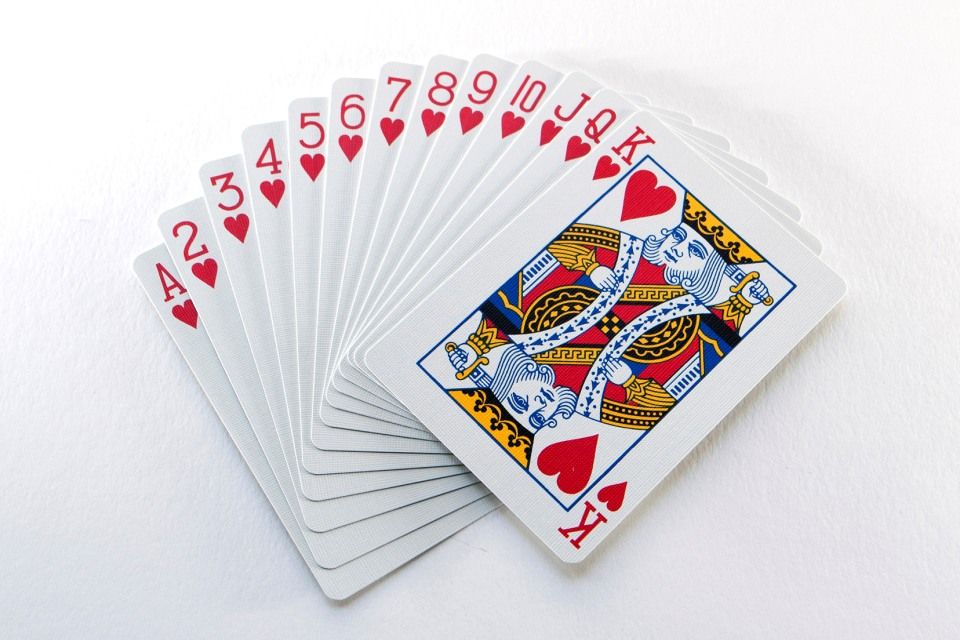
A standard deck of poker cards consists of 52 cards, divided into four suits: hearts (♥), diamonds (♦), clubs (♣), and spades (♠). Each suit contains 13 cards: Ace, 2, 3, 4, 5, 6, 7, 8, 9, 10, Jack, Queen, and King. The Ace can be ranked as either the highest or lowest card, depending on the game and the specific hand being formed.
- Suits: Hearts and Diamonds are red suits, while Clubs and Spades are black suits. The suits have no inherent value over one another in most poker variants, although they can be used as tie-breakers in certain situations.
- Ranks: The ranks represent the numerical or face value of the card. The Ace is typically considered the highest card, followed by the King, Queen, Jack, and then the numerical cards from 10 down to 2.
- Face Cards: The Jack, Queen, and King are known as face cards because they depict images of royalty. These cards hold significant value in many poker hands.
The History and Evolution of Poker Cards
The history of poker cards is intertwined with the development of playing cards in general. Playing cards are believed to have originated in China around the 9th century. From there, they spread to Persia and eventually to Europe in the 14th century. The suits and ranks of early European playing cards varied widely, but eventually, the French suit system (hearts, diamonds, clubs, and spades) became the most popular and is now the standard for poker cards worldwide.
Over time, the design of poker cards has undergone several changes. Initially, cards were hand-painted, making them expensive and accessible only to the wealthy. With the invention of the printing press, cards became more affordable and widely available. The introduction of corner indices (the small numbers and symbols in the corners of the cards) in the 19th century made it easier to identify the cards in hand, improving the speed and efficiency of gameplay.
Materials and Manufacturing of Poker Cards
Modern poker cards are typically made from either paper or plastic. Paper cards are more affordable but less durable, making them suitable for casual games. Plastic cards, on the other hand, are more expensive but offer superior durability and resistance to wear and tear. They are the preferred choice for professional poker rooms and serious players.
The manufacturing process involves printing the card designs onto sheets of paper or plastic, then cutting them into individual cards. High-quality poker cards often have a special coating that enhances their feel and makes them easier to shuffle and deal. The weight and thickness of the cards also play a role in their overall quality and handling.
Variations in Poker Card Designs
While the standard deck of poker cards remains the same, there are numerous variations in design and aesthetics. Some cards feature unique artwork, while others have different color schemes or fonts. Some novelty decks even include extra cards or altered suit symbols. These variations can add a personal touch to the game, but it’s important to ensure that the cards are still easily recognizable and don’t create any confusion during gameplay.
Jumbo Index Cards
Jumbo index cards are specifically designed with larger numbers and suit symbols. This feature is particularly helpful for players with visual impairments or those who prefer a clearer view of their hand. Jumbo index poker cards are a common modification for making the game more accessible.
Bridge-Sized vs. Poker-Sized Cards
While seemingly minor, the size of the poker cards can influence gameplay. Bridge-sized cards are slightly narrower than poker-sized cards. Some players prefer bridge-sized cards because they are easier to handle and shuffle, especially for those with smaller hands. Poker-sized cards are more common in casinos and professional settings.
The Significance of Poker Cards in Gameplay
The composition of the deck and the probabilities associated with drawing certain cards are fundamental to poker strategy. Understanding the odds of making a particular hand is crucial for making informed decisions about betting, calling, and folding. Players use their knowledge of poker cards and probability to assess the strength of their hand and the likelihood of improving it.
Furthermore, the ability to read opponents and detect tells is another important aspect of poker. Skilled players can often glean information about their opponents’ hands based on their betting patterns, body language, and facial expressions. However, the foundation of all poker strategy lies in a thorough understanding of the poker cards and their potential combinations.
Caring for Your Poker Cards
To ensure that your poker cards last as long as possible, it’s important to take proper care of them. Avoid bending or creasing the cards, and store them in a protective case when not in use. Regularly clean the cards with a soft cloth to remove any dirt or grime. For plastic cards, you can use a mild soap and water solution to remove stubborn stains. With proper care, a good deck of poker cards can provide years of enjoyment.
The Psychology Behind Poker Cards
Beyond the mathematical probabilities, poker cards also play a role in the psychological aspects of the game. The perceived value of a hand can heavily influence a player’s confidence and behavior. Bluffing, a key element of poker, relies on manipulating an opponent’s perception of your poker cards. A player might bet aggressively with a weak hand to convince others that they have a strong one, or vice versa.
The random distribution of poker cards also introduces an element of chance and unpredictability. Even the most skilled players can experience bad beats, where a weaker hand unexpectedly wins against a stronger one. This element of chance keeps the game exciting and adds to its enduring appeal.
The Future of Poker Cards
While the fundamental design of poker cards has remained largely unchanged for centuries, technological advancements are beginning to influence the game. Some online poker platforms use sophisticated algorithms to shuffle and deal cards, ensuring fairness and randomness. Others are exploring the use of augmented reality and virtual reality to create more immersive and interactive poker experiences.
Despite these technological innovations, the core element of poker cards is likely to remain a constant. The familiar suits, ranks, and combinations will continue to be the foundation of this beloved game for generations to come. Whether played in a smoky backroom or a high-tech online casino, the allure of poker cards will undoubtedly endure.
Conclusion
From their humble origins to their central role in one of the world’s most popular games, poker cards have a rich and fascinating history. Understanding the anatomy, history, and significance of these cards is essential for anyone who wants to appreciate and excel at poker. So, the next time you pick up a deck of poker cards, take a moment to consider the history and strategy behind them. You might just find that it enhances your understanding and enjoyment of the game.
[See also: History of Playing Cards] [See also: Poker Hand Rankings] [See also: Advanced Poker Strategy]
