Desktop Computers: A Comprehensive Guide to Choosing the Right One
In today’s digital age, desktop computers remain a vital tool for work, education, and entertainment. While laptops and mobile devices offer portability, desktop computers provide superior performance, customization, and ergonomics for many users. This guide will delve into the world of desktop computers, exploring their advantages, different types, key components, and factors to consider when making a purchase. Whether you’re a student, a professional, or a casual user, understanding the nuances of desktop computers will empower you to make an informed decision and find the perfect machine to meet your needs. Within the first 10% of this article, we will cover the importance of desktop computers and what makes them a great choice.
Why Choose a Desktop Computer?
Desktop computers offer several compelling advantages over other types of computers:
- Performance: Desktop computers typically offer more processing power and graphics capabilities than laptops at the same price point. This is due to their larger size, which allows for better cooling and more powerful components.
- Customization: Desktop computers are highly customizable. You can easily upgrade components like the processor, RAM, graphics card, and storage to improve performance or extend the lifespan of your machine.
- Ergonomics: With a separate monitor, keyboard, and mouse, desktop computers offer a more comfortable and ergonomic computing experience. This can reduce strain on your neck, wrists, and eyes, especially during long work sessions.
- Value: For the same level of performance, desktop computers are generally more affordable than laptops.
- Longevity: Due to ease of upgrading individual parts, desktop computers can last longer than other types of computers.
Types of Desktop Computers
Desktop computers come in various forms, each designed for specific purposes:
Tower Desktops
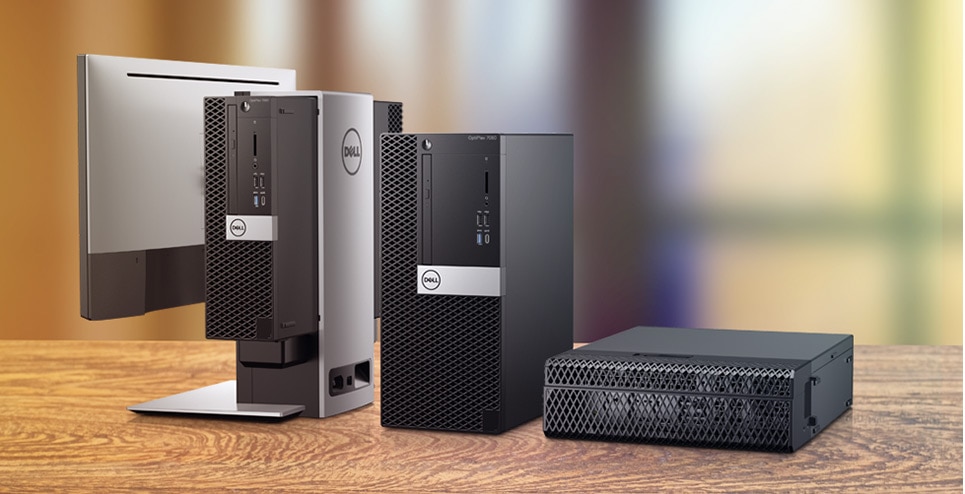
Tower desktop computers are the most common type. They are characterized by their vertical case, which houses all the internal components. Tower desktops offer excellent expandability and are suitable for a wide range of users, from gamers to professionals.
All-in-One Desktops
All-in-one desktop computers integrate the monitor and computer components into a single unit. This design saves space and reduces cable clutter. All-in-one desktops are often used in offices and homes where aesthetics are important.
Mini PCs
Mini PCs are small, compact desktop computers that are ideal for space-constrained environments. They are often used as media centers, thin clients, or for basic computing tasks. While they don’t offer the same level of expandability as tower desktops, mini PCs are energy-efficient and portable.
Gaming Desktops
Gaming desktop computers are specifically designed for gaming. They feature powerful processors, dedicated graphics cards, and ample RAM to deliver smooth and immersive gaming experiences. Gaming desktops often have aggressive styling and advanced cooling systems.
Workstation Desktops
Workstation desktop computers are high-performance machines designed for demanding tasks such as video editing, 3D modeling, and scientific simulations. They typically feature professional-grade components and are optimized for stability and reliability.
Key Components of a Desktop Computer
Understanding the key components of a desktop computer is essential for making an informed purchase:
- Processor (CPU): The CPU is the brain of the computer, responsible for executing instructions and performing calculations. Intel and AMD are the two main CPU manufacturers.
- Memory (RAM): RAM is used to store data that the CPU is actively using. More RAM allows you to run more applications simultaneously and improves overall performance.
- Storage: Storage devices store your operating system, applications, and files. Solid-state drives (SSDs) offer faster performance than traditional hard disk drives (HDDs).
- Graphics Card (GPU): The GPU is responsible for rendering images and videos. Dedicated graphics cards are essential for gaming and other graphics-intensive applications.
- Motherboard: The motherboard is the main circuit board that connects all the components of the computer.
- Power Supply Unit (PSU): The PSU provides power to all the components of the computer.
- Operating System (OS): The OS is the software that manages the computer’s hardware and software resources. Windows, macOS, and Linux are the most popular operating systems.
Factors to Consider When Buying a Desktop Computer
When choosing a desktop computer, consider the following factors:
- Budget: Determine your budget and stick to it. Desktop computers range in price from a few hundred dollars to several thousand dollars.
- Intended Use: How will you be using the computer? For basic tasks like browsing the web and checking email, a budget-friendly model will suffice. For gaming, video editing, or other demanding tasks, you’ll need a more powerful machine.
- Performance Requirements: Consider the performance requirements of the applications you’ll be using. If you’re a gamer, look for a desktop computer with a dedicated graphics card and a fast processor. If you’re a video editor, prioritize RAM and storage.
- Expandability: Do you plan to upgrade the computer in the future? If so, choose a model with good expandability options. Tower desktops typically offer the most expandability.
- Operating System: Choose an operating system that you’re comfortable with. Windows is the most popular operating system, but macOS and Linux are also good options.
- Connectivity: Make sure the computer has the ports you need, such as USB ports, HDMI ports, and Ethernet ports.
- Brand Reputation: Research different brands and read reviews to get an idea of their reputation for quality and reliability.
- Warranty and Support: Check the warranty and support options offered by the manufacturer. A good warranty can protect you from unexpected repairs.
Choosing the Right Desktop Computer for Your Needs
Selecting the perfect desktop computer requires careful consideration of your individual requirements and preferences. Here are some specific scenarios and recommendations:
For Students
Students typically need a reliable and affordable desktop computer for writing papers, doing research, and browsing the web. An all-in-one desktop or a budget-friendly tower desktop with a solid-state drive (SSD) would be a good choice. Ample RAM (8GB or more) is also recommended for multitasking.
For Professionals
Professionals often need a powerful desktop computer for demanding tasks such as video editing, graphic design, or software development. A workstation desktop or a high-end tower desktop with a dedicated graphics card and a fast processor would be ideal. Ample RAM (16GB or more) and a large solid-state drive (SSD) are also essential.
For Gamers
Gamers need a desktop computer with a dedicated graphics card, a fast processor, and plenty of RAM to deliver smooth and immersive gaming experiences. A gaming desktop with a high refresh rate monitor and a mechanical keyboard would be a great choice. Consider a liquid cooling system for optimal performance.
For Home Use
For general home use, such as browsing the web, checking email, and streaming videos, a budget-friendly tower desktop or an all-in-one desktop would be sufficient. A solid-state drive (SSD) will improve performance, and ample RAM (8GB or more) will allow you to multitask without slowdowns.
Maintaining Your Desktop Computer
To keep your desktop computer running smoothly, it’s important to perform regular maintenance:
- Keep your operating system and software up to date. Updates often include security patches and performance improvements.
- Run a virus scan regularly. Viruses and malware can slow down your computer and compromise your data.
- Defragment your hard drive (if you’re using an HDD). Defragmenting your hard drive can improve performance by organizing files more efficiently.
- Clean your computer regularly. Dust can build up inside your computer and cause it to overheat.
- Back up your data regularly. In case of a hardware failure or other disaster, you’ll be able to restore your data from a backup.
The Future of Desktop Computers
While laptops and mobile devices have become increasingly popular, desktop computers continue to evolve and remain relevant. Innovations such as smaller form factors, more powerful components, and improved energy efficiency are ensuring that desktop computers will remain a vital part of the computing landscape for years to come. [See also: Building Your Own PC: A Step-by-Step Guide] The continued advancement in technology means desktop computers will continue to be a viable and competitive option.
Conclusion
Desktop computers offer a powerful, customizable, and ergonomic computing experience. By understanding the different types of desktop computers, key components, and factors to consider when making a purchase, you can choose the perfect machine to meet your specific needs. Whether you’re a student, a professional, or a casual user, a desktop computer can be a valuable tool for work, education, and entertainment. Consider your needs and budget to select the right desktop computer for you. Remember to factor in upgrades and compatibility when choosing your desktop computer. With the right desktop computer, you can be sure to have a great computing experience.
